



Company Profile
Zhejiang SuJia Medical Device Co., Ltd.
The originator of the “Disposable Anesthesia Puncture Kit" series product.
We take pride in our competent sci-tech team, launching new patented products annually. We have been consecutively awarded titles including National Key High-tech Enterprise, and designated as Zhejiang University's Macromolecule Medical Device Joint R&D Laboratory and Zhejiang Female College Students Entrepreneurial Guidance Experimental Base. We have established institutions like Sujia Commercial College and own 4 holding manufacturing enterprises, including wholly-owned Shanghai SuJia Medical Device Co., Ltd. and a financial company.
Zhejiang SuJia Medical Device Co., Ltd. (sujiamed.com) is one of China's most established medical consumable manufacturers, founded in 1992 and headquartered at No. 168 Zhenxing Road, Jiaxing, Zhejiang Province. Recognized as a National Key High-tech Enterprise, the company holds more than 80 patents and operates a Class 100,000 cleanroom spanning over 110,000 m², staffed by more than 180 professional technicians. Its products are exported to more than 30 countries and regions worldwide, with select lines carrying both CE certification from the European Union and FDA clearance from the United States. As the originator of the disposable anesthesia puncture kit in China — receiving its first patent for the product in 1994 — SuJia Medical has grown into a top-three player in China's anesthesia product manufacturing industry and a trusted global Chinese medical consumable manufacturer.
The company's product center covers seven major clinical categories: general anesthesia, regional anesthesia, infusion, patient monitoring, pain management, medical aesthetics, and nursing care. Each category reflects years of clinical research conducted in partnership with institutions such as the Zhejiang University Macromolecule Medical Device Joint R&D Laboratory. The following guide explains the technical design, clinical application, and compliance requirements of the company's core product lines, helping procurement teams, anesthesiologists, and hospital supply managers make informed purchasing decisions.
The disposable laryngeal mask airway (LMA) is a supraglottic airway device designed to establish a short-term, temporary artificial airway for patients who require general anesthesia, mechanical ventilation, or other forms of assisted respiration. Unlike endotracheal intubation, the laryngeal mask sits above the glottis and causes significantly less trauma to the airway cilia, making it the preferred choice in ambulatory surgery, pediatric procedures, and cases where difficult intubation is anticipated.
SuJia's LMA range is available in seven sizes (1# through 5#) to cover patients from neonates under 5 kg all the way to adults over 70 kg. The maximum cuff inflation volume ranges from under 4 ml for the smallest size to under 40 ml for the largest, ensuring proper sealing pressure without exceeding safe mucosal perfusion thresholds. Both PVC and silicone material variants are produced, accommodating hospitals that require latex-free pathways or that prefer the soft, anatomically contoured feel of silicone. All connectors conform to the YY/T 1040.1-2015 standard (15 mm ISO connector), ensuring interoperability with standard breathing circuits and anesthesia machines. A second-generation double-lumen design also incorporates a dedicated gastric drainage channel that allows aspiration of residual gastric contents, substantially reducing the risk of pulmonary aspiration — a critical safety feature for patients at high aspiration risk.
The disposable anesthesia mask is the first point of contact between the anesthesia delivery system and the patient during pre-oxygenation and mask induction. Effective mask fit determines how quickly and completely the patient reaches an adequate depth of anesthesia and how well oxygen saturation is maintained during the induction phase. SuJia's mask range features a transparent, anti-fog body that allows unobstructed observation of the patient's skin color and any secretions, while a soft, inflatable cushion rim conforms to diverse facial anatomies — from premature neonates to bariatric adults — to minimize dead space and ensure an airtight seal. The 22 mm standard fitting connects directly to breathing circuits and manual resuscitation bags without adapters.
A disposable breathing circuit forms the gas delivery pathway between the anesthesia machine's fresh gas outlet and the patient's airway device. From a technical standpoint, breathing circuits must balance three competing requirements: minimal resistance to gas flow (low work of breathing), low internal compliance (to minimize the compressible volume that affects delivered tidal volume accuracy), and effective moisture and heat retention to prevent airway desiccation during prolonged procedures. SuJia's corrugated PVC tubing circuits incorporate smooth internal bores to reduce turbulent flow, while the accordion-style corrugation provides flexibility without kinking. Circuit configurations include coaxial (Bain-type), parallel-limb, and pediatric-specific designs with reduced dead space volumes. Single-patient-use eliminates cross-contamination risk — a recognized concern when reprocessing circuits that may harbor residual secretions or biofilm in standard reusable alternatives.
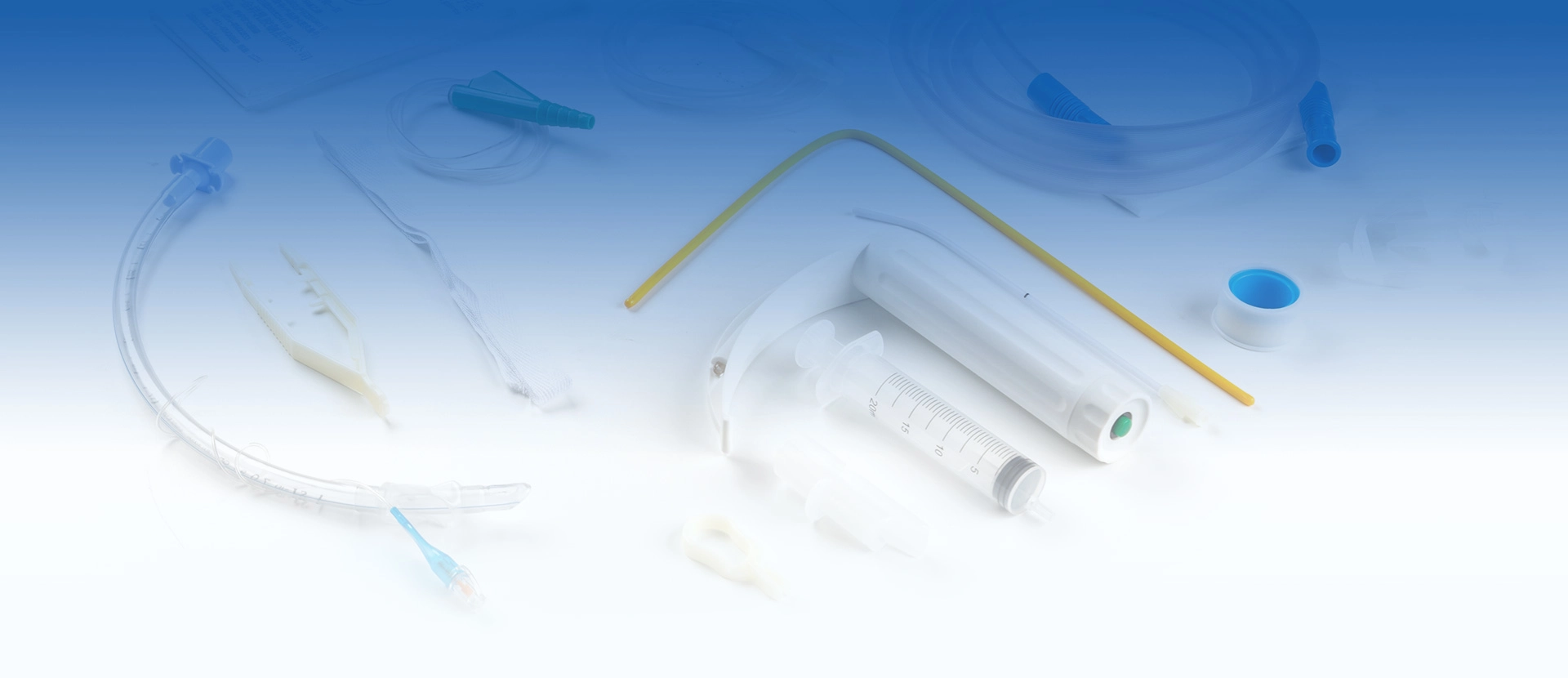
As a trusted disposable endotracheal tube manufacturer and tracheal tube supplier, SuJia Medical produces cuffed and uncuffed oral/nasal endotracheal tubes (ETTs) across a comprehensive range of internal diameters (typically 2.0 mm to 9.5 mm ID) suitable for neonatal through adult patients. The primary technical considerations in ETT design are cuff sealing technology, tube curvature, and material biocompatibility. High-volume low-pressure (HVLP) cuffs are the current clinical standard, distributing sealing force over a larger mucosal surface area to reduce the incidence of tracheal ischemia compared to older high-pressure cuff designs. The thermoplastic PVC used in SuJia ETTs softens at body temperature, allowing the tube to conform to individual tracheal anatomy and reducing tissue pressure. Radiopaque longitudinal stripes allow chest radiograph confirmation of tube positioning. Preformed Ring-Adair-Elwyn (RAE) variants are available for oral and nasal access in head-and-neck surgery where standard tubes would obstruct the surgical field.
The disposable tracheostomy tube is indicated for patients requiring long-term airway access — typically more than 7 to 10 days of mechanical ventilation — or for those with upper airway obstruction. Unlike an endotracheal tube, the tracheostomy tube passes through a surgical or percutaneous stoma in the anterior neck, directing the tube at an almost 90-degree angle into the trachea. This geometry demands precise tube curvature engineering to prevent the distal tip from impinging on the posterior tracheal wall, which can cause mucosal erosion or obstructive tip malposition. SuJia's tracheostomy tube range includes single-cannula and double-cannula (inner and outer tube) designs; the double-cannula system allows the removable inner tube to be cleaned without disturbing the stoma tract, a significant nursing care advantage during prolonged intensive care unit admissions. Cuffed variants with HVLP cuffs support positive-pressure mechanical ventilation while uncuffed and fenestrated tubes facilitate weaning, speech, and spontaneous breathing trials.
The disposable anesthesia dressing pack is a pre-assembled, sterile procedure pack designed to consolidate all ancillary consumables required during general anesthesia preparation into a single, ready-to-open unit. Standardizing the pack contents reduces waste from unused opened items, shortens anesthesia setup time, and supports compliance with sterile field protocols. Contents are typically configured to institutional or regional requirements and may include draping materials, syringes, needles, gauze, adhesive dressings, and specialized accessories. From a supply chain perspective, single-use packs reduce the labor burden of individual item counting and help anesthesia departments demonstrate reliable per-procedure cost accounting.
The disposable anesthetic gas adsorber addresses an occupational health concern that has received increasing regulatory attention globally: chronic low-level exposure of operating room personnel to waste anesthetic gases (WAGs) including halogenated volatile agents such as sevoflurane, desflurane, and isoflurane. Epidemiological evidence links long-term WAG exposure to reproductive effects, hepatotoxicity, and central nervous system symptoms. Conventional active scavenging systems capture gases at the expiratory valve of the anesthesia machine but do not address residual agents remaining within the breathing circuit after the procedure is concluded. SuJia's adsorber uses highly activated filter media with an anesthetic gas adsorption rate of at least 90%, available in two configurations: Type I (extra-circuit), which connects externally to the anesthesia machine exhaust to protect room air quality and staff; and Type II (intra-circuit), which is activated post-procedure to adsorb residual anesthetic remaining inside the breathing circuit, accelerating the patient's emergence from anesthesia. All φ15 mm connectors comply with YY 1040.1-2003, ensuring direct machine compatibility without adapters.
The peripheral nerve stimulator (PNS) is an essential monitoring device in both regional anesthesia and general anesthesia practice. In regional anesthesia, it delivers a precisely controlled low-amperage electrical impulse through an insulated needle to identify the proximity of a target nerve by eliciting a characteristic motor response, improving block accuracy and reducing the risk of intraneuronal injection. In general anesthesia, it assesses the degree of neuromuscular blockade (NMB) produced by non-depolarizing muscle relaxants such as rocuronium, vecuronium, and cisatracurium. Failure to adequately monitor and reverse residual NMB before extubation is associated with postoperative pulmonary complications and critical respiratory events in the recovery room. SuJia's peripheral nerve stimulator delivers multiple stimulation patterns — train-of-four (TOF), single-twitch, tetanic stimulation, and post-tetanic count (PTC) — covering the full spectrum of NMB depths from intense block during surgery to confirmation of clinical recovery before extubation.
The disposable bite block is a straightforward but clinically important airway protection device. During emergence from general anesthesia, patients may enter a state of partial consciousness accompanied by masseter muscle spasm (laryngospasm correlate), posing the risk of biting down and occluding the endotracheal tube — or, in patients whose tubes have been removed, causing dental injury. The bite block is placed between the upper and lower molars to maintain an open oral airway passage and prevent tube occlusion. Single-use polypropylene construction eliminates decontamination requirements and eliminates the risk of cross-patient contamination. Size selection should account for both pediatric and adult patients, and SuJia offers a range of dimensions to fit different patient anatomies.
For a complete overview of all devices in this segment, visit the general anesthesia category page.
The CE certified epidural anesthesia catheter is a thin, flexible catheter designed to be threaded into the epidural space — the potential space between the dura mater and the ligamentum flavum — via a Tuohy needle. Once positioned, the catheter allows continuous or intermittent injection of local anesthetic agents (commonly bupivacaine, ropivacaine, or levobupivacaine, with or without opioid adjuncts) for intraoperative surgical anesthesia, labor analgesia, and postoperative pain management. SuJia's enhanced epidural catheter incorporates a wire-reinforced (braided) construction that substantially reduces the tendency of the catheter to kink, coil, or shear during insertion and residence in the epidural space. The wire reinforcement also reduces the risk of inadvertent intravascular or intrathecal catheter migration, a rare but serious complication of standard non-reinforced catheters. The connector design provides a luer-lock seal to prevent accidental disconnection and to clearly differentiate the neuraxial access line from intravenous lines — an important patient safety engineering requirement recommended by regulatory bodies. European CE marking confirms compliance with applicable Medical Device Directive and MDR requirements for sterility, biocompatibility, and mechanical performance.
The disposable epidural kit consolidates all components required for neuraxial block placement into a single sterile package. A standard kit includes a Tuohy needle (typically 16G or 18G, available in various lengths for patients of different body habitus), the epidural catheter, a bacterial filter, a loss-of-resistance syringe, a catheter fixation system, and sterile draping materials. Standardized kits improve procedural consistency across practitioners and reduce the risk of contamination from multiple-package openings during time-pressured clinical scenarios such as emergency cesarean delivery. SuJia Medical, as the originator of the disposable anesthesia puncture kit in China since 1994, brings over three decades of manufacturing expertise and continuous product iteration to this category. The kits are produced under strict GMP conditions, with sterility validated by EO sterilization and confirmed by biological indicator testing.
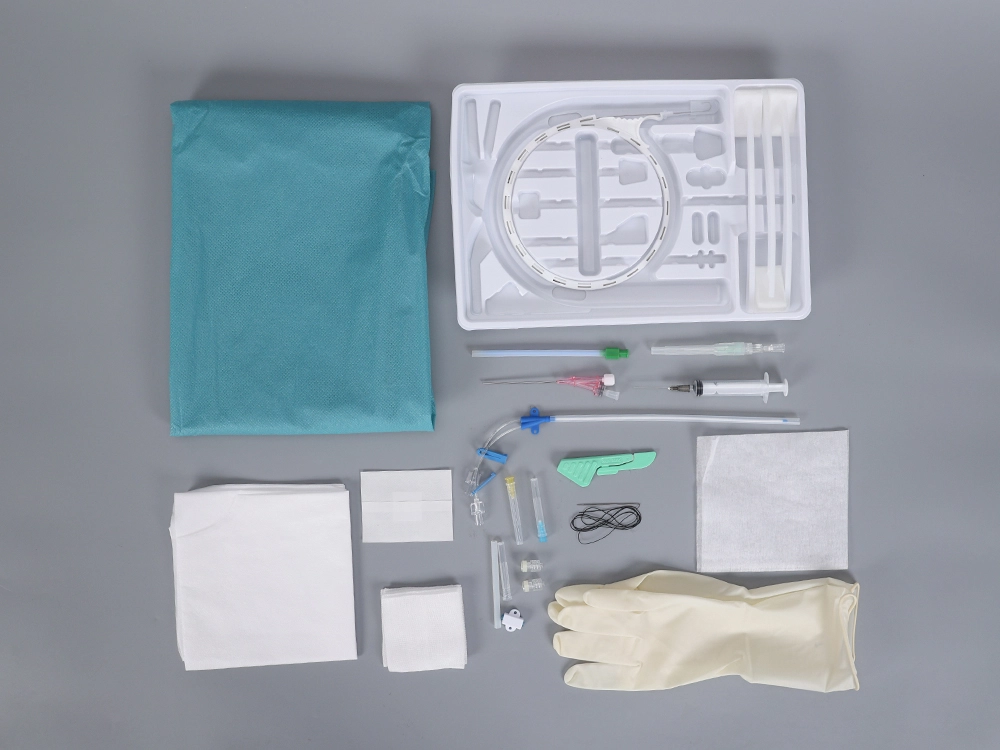
The central venous catheter tray supports placement of a central venous catheter into a large vein — most commonly the internal jugular, subclavian, or femoral vein — using the Seldinger technique. The CVC allows reliable measurement of central venous pressure (CVP), administration of vasopressors, hypertonic solutions, and parenteral nutrition that would damage peripheral veins, and rapid delivery of large volumes of fluid in resuscitation scenarios. The tray includes the CVC itself (single-, double-, or triple-lumen configurations in 7 Fr or 8.5 Fr sizes), a guide wire, a dilator, an introducing needle, a scalpel, sterile drapes, suture material, and a securement device. Material selection for the catheter body is critical: polyurethane and silicone catheters offer flexibility and biocompatibility for prolonged dwell times, while the hydrophilic or antimicrobial surface coatings available on selected variants reduce the risk of central line–associated bloodstream infection (CLABSI), one of the most costly and preventable healthcare-associated infections.
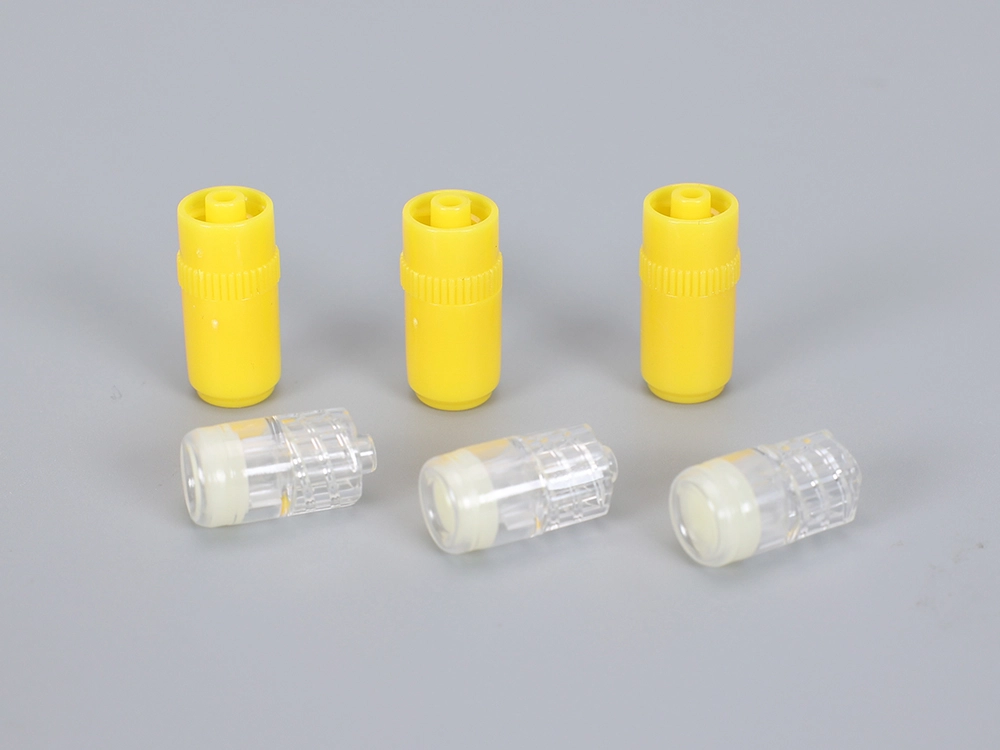
The disposable heparin cap (also called an injection cap or PRN adapter) seals the lumen hubs of indwelling central or peripheral venous catheters between access events. A properly designed heparin cap provides a positive-displacement or neutral-displacement fluid column at the catheter tip, which is essential for maintaining catheter patency and preventing thrombus formation at the catheter lumen opening. The resealable septum design allows needleless syringe connection in compliance with contemporary needlestick prevention requirements. Single-use construction eliminates the risk of biofilm formation within reusable caps, which has been associated with catheter-related bloodstream infection clusters in hospital outbreak investigations. Heparin caps are changed at regular intervals per institutional protocol and every time a contamination event is suspected.
The medical three-way stopcock is a valve manifold that allows a single IV line to be connected to multiple fluid sources or monitoring transducers simultaneously. In anesthesia and intensive care practice, stopcocks are routinely used to connect the intra-arterial line to a pressure transducer for continuous invasive blood pressure monitoring while retaining a sampling port for arterial blood gas collection. Three-way stopcocks must meet rigorous dead-space (typically under 0.1 ml per port) and leakage specifications to ensure that pressure waveform accuracy is not degraded by compliance within the stopcock body itself. The rotating valve handle must move smoothly to clearly open or close each port without requiring excessive torque that could displace the arterial or venous cannula. Luer-lock connections on all three ports comply with ISO 80369 standards and prevent accidental disconnection during patient transport or repositioning.
Explore the complete range of regional anesthesia consumables in the regional anesthesia category.
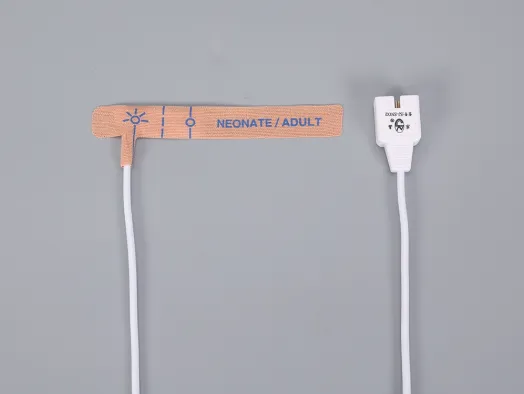
The disposable SpO2 sensor (peripheral oxygen saturation sensor) applies photoplethysmography (PPG) technology to non-invasively estimate arterial oxygen saturation. Two LEDs — one emitting red light at approximately 660 nm and one emitting near-infrared light at approximately 940 nm — transmit through a perfused tissue bed (typically the finger, toe, or earlobe), and a photodetector measures the differential absorption of oxygenated hemoglobin (HbO₂) versus deoxygenated hemoglobin (Hb) to calculate SpO₂ as a percentage. Single-use sensor design addresses two clinical problems: adhesive-related pressure injuries from prolonged reusable sensor placement, and cross-infection risk when reusable sensors are inadequately disinfected between patients. SuJia's disposable SpO₂ sensors are compatible with multiple major monitor brands through standardized connector interfaces, reducing the inventory complexity of hospitals that operate mixed-brand monitoring fleets. Adult finger, pediatric finger, neonatal wrap, and ear clip form factors accommodate the full patient population.
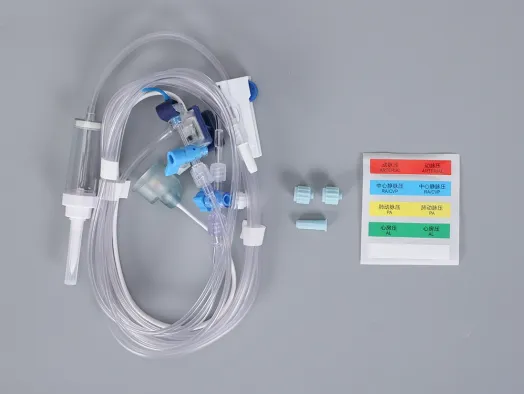
The disposable blood pressure sensor (invasive arterial pressure transducer) converts mechanical arterial pressure waves conducted through a fluid-filled tubing system into an electronic signal that a patient monitor can display as a continuous real-time arterial waveform with systolic, diastolic, and mean arterial pressure (MAP) values. The transducer contains a silicon strain gauge or piezoresistive membrane that deflects in proportion to the applied hydraulic pressure. Key technical performance parameters include sensitivity (typically 5 µV/V/mmHg), frequency response (flat to at least 20 Hz to faithfully reproduce the morphology of the arterial pulse), overpressure protection (to survive inadvertent line flushing pressures without damage), and zero drift over the duration of clinical use. Disposable transducers are filled with heparinized saline via a continuous flush device at 300 mmHg, delivering approximately 3 ml/hour to maintain catheter patency. Single-use eliminates the risk of re-use-related bloodstream infection, which was a significant patient safety issue during the era of reusable transducer domes.
Browse all monitoring consumables in the monitoring category.
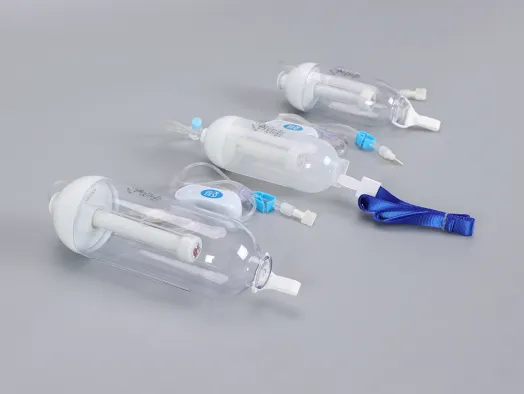
The disposable infusion pump (elastomeric pump) delivers analgesic solutions at a controlled, preset flow rate driven entirely by the elastic recoil of a balloon reservoir — no electronic components, power source, or programming required. The elastomeric membrane maintains a near-constant pressure head that, combined with a precisely calibrated flow restrictor capillary, produces a flow rate typically between 2 ml/hour and 10 ml/hour with an accuracy of ±15% at body temperature. This technology is particularly well-suited for postoperative continuous wound infusion (local infiltration analgesia), continuous peripheral nerve block infusion, and intravenous patient-controlled analgesia (PCA) in settings where electronic pump access is limited or where patient mobility is a priority. The disposable design removes the need for pump cleaning and programming maintenance cycles that add to biomedical engineering workload. Reservoir volumes from 50 ml to 500 ml support a range of infusion durations from approximately 5 hours to 5 days.
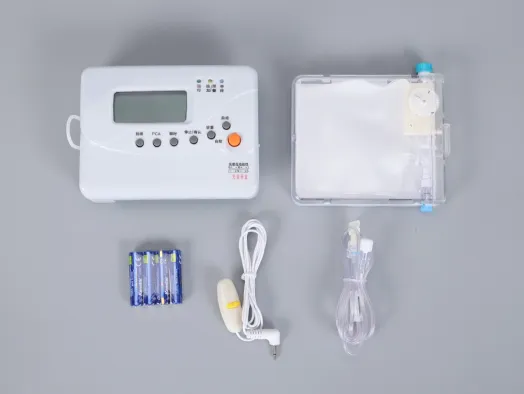
The electronic analgesia pump is a microprocessor-controlled infusion device that enables sophisticated, individualized postoperative pain management through programmable basal infusion rates, patient-controlled bolus doses (PCA), and lockout intervals. Unlike elastomeric pumps, electronic platforms allow real-time modification of therapy parameters as the patient's pain trajectory changes — for example, increasing the basal rate on the first postoperative night and reducing it as activity tolerance improves. The device records a complete administration log (total drug delivered, number of PCA demands, number of successful doses) that supports multi-disciplinary acute pain service review. Alarm systems provide warnings for occlusion, low battery, empty reservoir, and free-flow conditions, enhancing patient safety outside the immediate care environment.
The disposable electronic controlled analgesia pump merges the mechanical simplicity and single-use hygiene advantage of an elastomeric pump with a basic electronic control module to enable patient-controlled bolus delivery. This hybrid design addresses the cost and complexity barriers of fully reusable electronic PCA pumps while providing superior dosing flexibility compared to purely passive elastomeric devices. The patient presses a button that triggers a predetermined bolus volume with a lockout interval programmed before clinical use, preventing over-delivery. The combination of a background infusion and demand bolusing optimizes analgesia by maintaining trough analgesic concentrations while allowing the patient to self-administer supplemental doses during painful activities such as physiotherapy and coughing.
The complete range of postoperative pain management solutions is available in the pain management category.
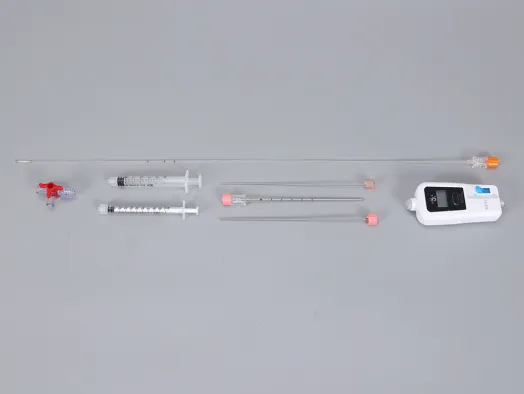
The balloon compression catheter kit supports percutaneous balloon compression (PBC), a minimally invasive neurosurgical procedure for the treatment of medically refractory trigeminal neuralgia. The Fogarty-type catheter is advanced under fluoroscopic guidance through the foramen ovale until the balloon tip sits within Meckel's cave at the entry of the trigeminal ganglion. Controlled balloon inflation compresses the large myelinated A-beta fibers selectively responsible for triggering tic pain, providing durable relief with a low rate of troublesome sensory loss compared to other ablative techniques. The kit provides all necessary components in a single sterile field — including the catheter, inflation syringe, and connecting accessories — to support procedural efficiency and sterile technique compliance.
The medical balloon inflation pressure pump is a handheld device with an integrated pressure gauge used to inflate and maintain precise pressure within catheter balloons during interventional procedures. The pump's manometer provides real-time pressure feedback in atmospheres (atm) or bar to prevent under-inflation (insufficient tissue effect) or over-inflation (vessel or tissue rupture). The luer-lock connector seals onto the balloon catheter inflation port without leakage, and the thumb-wheel mechanism allows gradual, controlled pressure application. Single-use construction prevents cross-contamination between sterile procedures and avoids the decontamination validation challenge inherent in reusable pressure devices.
As a leading disposable hypodermic needle manufacturer and sterile hypodermic needle supplier, SuJia Medical produces a comprehensive range of injection needles from standard bevel (25°–45°) configurations to specialized designs for subcutaneous, intramuscular, and intravenous administration. Needle gauge and length selection significantly affects injection pain, drug dispersion, and accidental intravascular injection risk in intended extravascular routes. Triple-bevel grinding technology produces a sharper cutting surface with reduced penetration force compared to older double-bevel designs, measurably reducing patient-reported injection pain in clinical studies. Electrolytic polishing removes surface imperfections and burrs that could cause coring (dislodging of a rubber stopper fragment into the drug solution) during vial penetration. EO sterilization and individually sealed sterile packaging maintain sterility until the point of use, complying with ISO 23908 sharps injury prevention guidance where safety-engineered variants with retractable or sheathing mechanisms are required.
The pressure infusion bag (medical pressure infuser) is an inflatable sleeve that encircles an IV fluid or blood product bag and is inflated — typically to 300 mmHg — to overcome venous or arterial line back-pressure and deliver fluids at rates far exceeding gravity-driven flow. In hemorrhagic shock resuscitation or rapid blood product administration, achieving infusion rates of 500 ml or more per minute may be life-saving; conventional gravity sets are incapable of these flow rates. The pressure infuser incorporates a calibrated pressure gauge and a safety relief valve to prevent bag rupture and air embolism from over-pressurization. The durable, transparent outer sleeve allows rapid assessment of remaining fluid volume without deflating the system. Compatibility with standard 500 ml and 1,000 ml IV bags must be confirmed, as bag dimensions vary by manufacturer.
Browse the full infusion accessories lineup at the infusion category page.
Airway secretion management is a fundamental nursing care intervention for intubated, tracheostomized, and spontaneously breathing patients with impaired cough. SuJia Medical's range of airway suction catheters includes the disposable phlegm suction tube (respiratory suction catheter) for standard open suctioning, and the medical grade closed suction system for ventilated patients where maintaining positive end-expiratory pressure (PEEP) during suctioning is clinically important.
Open suction catheters are PVC tubes with a smooth, rounded atraumatic tip (or multiple distal eyes) that reduce the risk of tracheal mucosal trauma during passage to the carina. French gauge selection — ranging from 6 Fr for pediatric use to 18 Fr for adult patients — must balance the need for adequate secretion removal against the risk of hypoxia from excessive negative pressure applied to the airway during suction. Closed suction catheter systems encase the suction catheter within a protective plastic sleeve and attach permanently to the ventilator circuit, allowing suction to be performed without breaking the closed breathing circuit. This approach maintains PEEP and FiO₂ throughout the procedure, prevents derecruitment-related desaturation events, and eliminates environmental aerosolization of potentially infectious respiratory secretions — a biosafety advantage highlighted during respiratory pathogen outbreaks.
The disposable umbilical cord clamp is a single-use device applied immediately after birth to occlude the umbilical cord vessels before or after cutting, preventing blood loss from both the delivered neonate and the placental side of the cord. The clamp design must achieve reliable, atraumatic compression of the Wharton's jelly-enclosed vessels without generating excessive pressure that could damage the delicate cord tissue, while its locking mechanism must withstand traction forces during the third stage of labor without accidentally releasing. Polypropylene construction is lightweight, chemically inert, and produces no metallic artifacts on abdominal radiographs — relevant when umbilical venous catheter placement is subsequently required in neonatal intensive care. Current World Health Organization guidelines recommend delaying cord clamping by at least one minute after birth when the neonate does not require immediate resuscitation, allowing passive placento-fetal blood transfusion to optimize neonatal iron stores and hematocrit.
Visit the nursing care category for the full range of neonatal and patient care consumables.
All products manufactured by Zhejiang SuJia Medical Device Co., Ltd. are produced under a quality management system certified to ISO 9001, and the company was among the first batch of Chinese medical device enterprises to pass the National Medical Products Administration (NMPA) GMP pilot acceptance inspection — a distinction that reflects decades of commitment to manufacturing process control. Select product lines carry CE marking under the European Union Medical Device Regulation (EU MDR 2017/745), and FDA 510(k) clearances have been obtained for specific items exported to the United States market. In 2004 the company obtained its first CE product certification; in 2018 it was awarded the China Patent Excellence Award by the China National Intellectual Property Administration, recognizing the breadth and technical significance of its patent portfolio exceeding 80 granted patents.
Material biocompatibility is evaluated in accordance with ISO 10993 series standards for cytotoxicity, sensitization, intracutaneous reactivity, and systemic toxicity as applicable to each device's patient contact classification. Ethylene oxide (EO) sterilization is validated in compliance with ISO 11135, with sterility assurance levels (SAL) of 10⁻⁶. Dimensional and mechanical testing of airway devices references YY/T 1040 (the Chinese equivalent of ISO 5361 for tracheal tubes and ISO 11135 for ventilatory circuits), while connector geometry conforms to ISO 5356-1 (15/22 mm conical fittings) to ensure universal compatibility.
For information about the company's active research pipeline, joint laboratory collaborations, and annual new product launches, visit the R&D page. Latest company announcements, exhibition participation details, and clinical partnership news are published in the news center.
With over 30 years of specialized manufacturing experience since its establishment in 1992, Zhejiang SuJia Medical Device Co., Ltd. offers procurement professionals and healthcare institutions a combination of technical depth, regulatory standing, and supply reliability that is rare among Chinese medical consumable manufacturers. The company's 110,000 m² Class 100,000 cleanroom production environment, staffed by more than 180 professional technicians, produces a vertically integrated portfolio spanning general anesthesia, regional anesthesia, infusion, monitoring, pain management, and nursing care — enabling single-source procurement that simplifies supplier qualification, reduces logistics complexity, and ensures cross-category compatibility.
SuJia Medical supplies more than 100 cooperation partners across more than 30 countries and regions. Its global sales network and responsive technical support team — reachable at global@zjsj.com.cn — provide post-sale assistance with device compatibility questions, regulatory documentation requests, and clinical application guidance. To learn more about the company's history, corporate values, and manufacturing capabilities, visit the About Us page. For product inquiries, procurement negotiations, or sample requests, use the Contact page to reach the international sales team directly.