As a trusted Disposable Medical Products Manufacturer, Zhejiang SuJia Medical Device Co., Ltd. (headquartered at No. 168 Zhenxing Road, Jiaxing, Zhejiang, China) has developed a comprehensive portfolio of single-use general anesthesia devices covering every critical stage of the perioperative pathway — from airway establishment and ventilator circuit management to waste gas scavenging and neuromuscular monitoring. This category page provides an in-depth clinical and technical overview of each product line, designed to help anesthesiologists, hospital procurement officers, and global distributors make informed sourcing decisions.
Cross-infection control is a non-negotiable priority in modern operating rooms. Reusable airway devices carry an inherent risk of biofilm formation, residual protein contamination, and prion transmission that even validated sterilization cycles cannot entirely eliminate. Single-use devices arrive sterile, pre-packaged, and ready to use, eliminating the cost and error-risk of reprocessing. Each product in the General Anesthesia Category is individually EO-sterilized, sealed in peel-open pouches, and manufactured under a certified quality management system, meeting requirements for export to regulated markets worldwide.
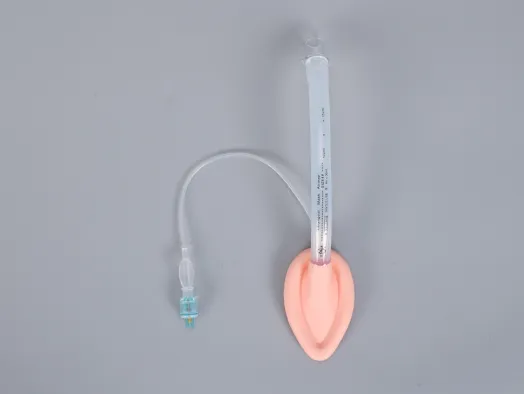
The Disposable Laryngeal Mask Airway (LMA) is a supraglottic airway device that seats above the glottis to create a low-pressure perilaryngeal seal, avoiding the need for direct laryngoscopy and tracheal intubation in a wide range of surgical procedures. Because the device bypasses the tracheal mucosa entirely, it causes significantly less ciliary damage than endotracheal intubation, contributing to faster postoperative mucociliary recovery.
Product structure: The device comprises a cuff, pilot balloon, airway tube, machine-end connector (φ15 mm, compliant with YY/T 1040.1-2015), inflation tube, and one-way valve. Both medical-grade silicone and PVC material options are available to satisfy varied institutional preferences and latex-sensitivity protocols.
Available in seven sizes (1# through 5#) mapped to patient weight from under 5 kg to over 70 kg, the range covers neonates through bariatric adults in a single product family. Maximum cuff inflation volumes range from less than 4 ml (size 1#) to less than 40 ml (size 5#), enabling precise cuff pressure control to maintain airway patency without exceeding mucosal perfusion pressure thresholds.
The second-generation double-lumen design adds a dedicated drainage channel alongside the ventilation lumen. This channel permits aspiration of gastric contents, substantially reducing the risk of pulmonary aspiration in patients with full stomachs or delayed gastric emptying — a clinical advance over first-generation single-lumen masks. Procurement teams in markets where LMA utilization rates are below those seen in developed healthcare systems should note the significant growth potential in this segment.
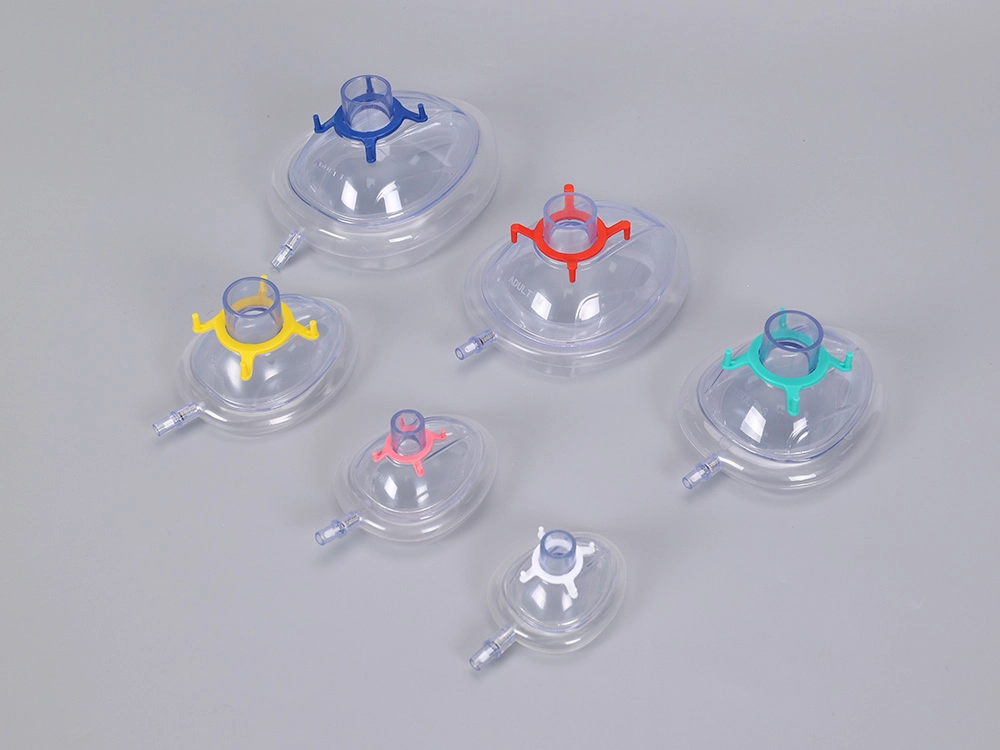
The Disposable Anesthesia Mask is used for pre-oxygenation, induction of inhalational anesthesia, and mask ventilation prior to securing a definitive airway. The humanized arc-contour facial cushion conforms to diverse facial anatomy, distributing sealing pressure evenly to prevent pressure-related skin breakdown during prolonged mask ventilation.
The mask body is transparent, allowing continuous visual monitoring of respiratory effort, secretion accumulation, and cyanosis without removing the device. A standard 22 mm port connects directly to breathing circuits and circle systems. Sizes span neonatal through adult, ensuring that the same procurement channel can serve pediatric and adult ORs. The mask is supplied individually sealed and EO-sterilized, eliminating the decontamination workload associated with reusable rubber masks.
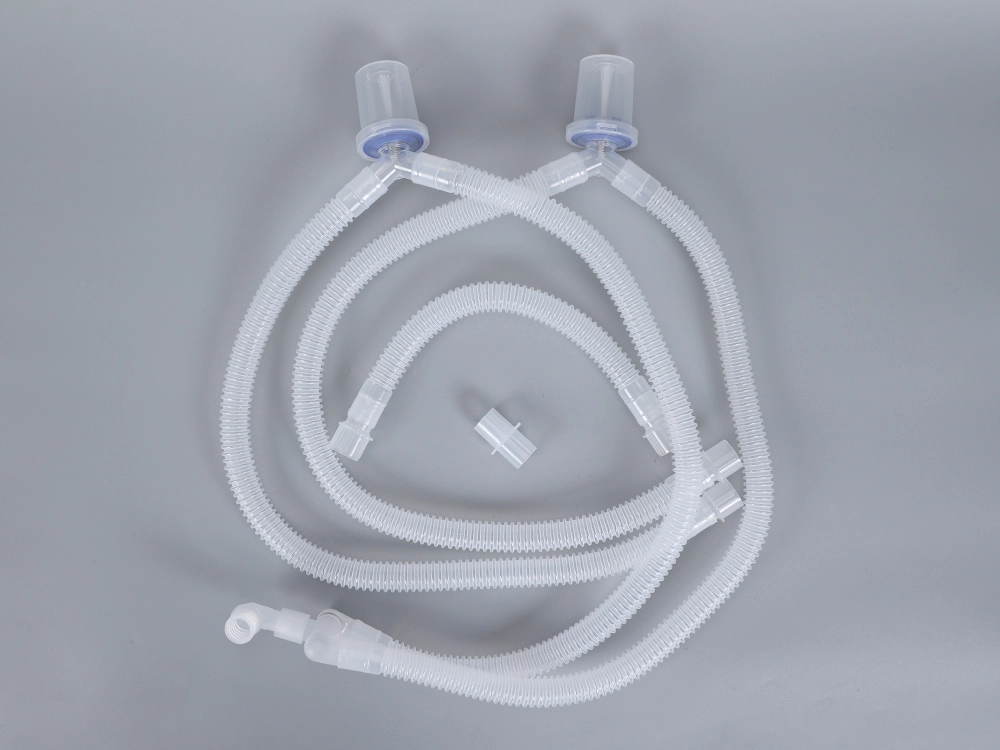
The Disposable Breathing Circuit is the gas-conducting interface between the anesthesia workstation and the patient airway. It is clinically indicated for oxygen therapy, mechanical ventilation, and all forms of assisted respiration.
SuJia's corrugated circuit tubing is manufactured using a proprietary self-extrusion reinforced process: when the corrugated wall is bent, the inner lumen retains its full cross-sectional diameter, preventing the increase in airway resistance that occurs with conventional collapsible tubing. This is particularly relevant in pediatric and prone-position cases where circuit routing demands tight bends.
Circuits are available in adjustable and non-adjustable configurations, covering pediatric and adult patient categories, with six standard length configurations (H-1 through H-6) and customizable lengths for institutions with specific machine-to-patient reach requirements. Full accessory compatibility includes rebreathing bags, anesthetic masks (see above), bacterial/viral filters, water-trap cups, and CO₂ sampling ports. The bypass CO₂ monitoring port, integrated at the wye piece, provides a dedicated side-stream sampling connection without requiring additional T-connectors, maintaining circuit integrity and accurate EtCO₂ readings.
The circuit material is soft yet kink-resistant, tolerating repeated patient repositioning without flow disruption. Single-use architecture eliminates the risk of residual volatile anesthetic agent carryover between patients — a documented concern with reusable circuits used after high-concentration desflurane or sevoflurane cases.
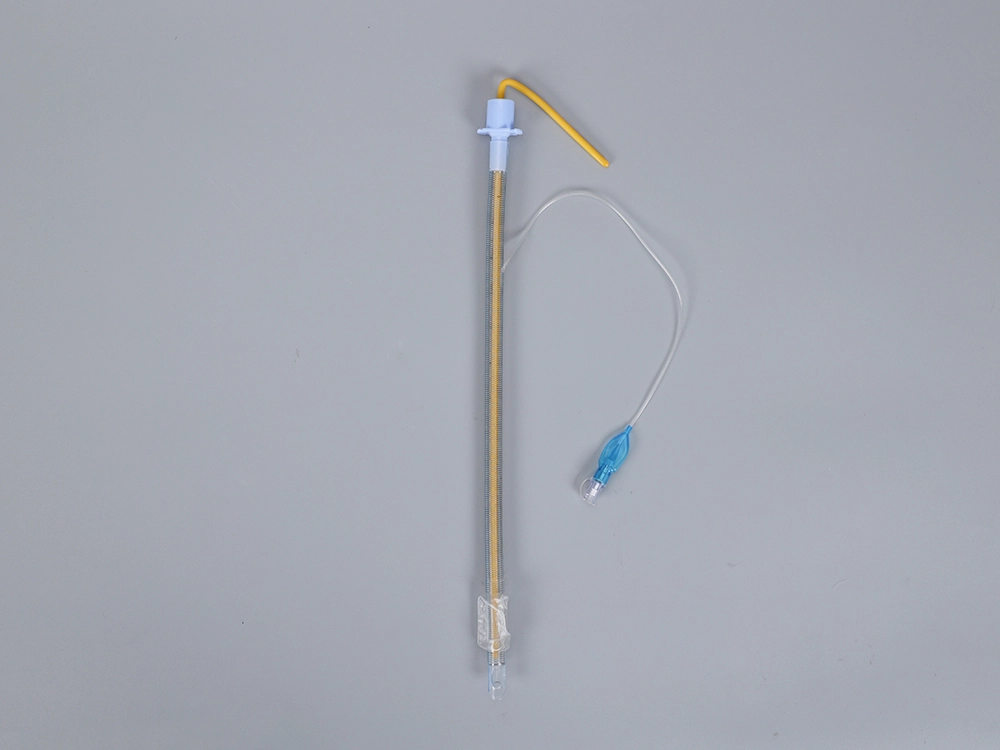
As one of the earliest domestic manufacturers of disposable endotracheal tubes in China and a drafting contributor to industrial standard YY 0337.1-2002, SuJia's Disposable Endotracheal Tube range reflects decades of clinical and engineering expertise. The product line covers inner diameter sizes from 2.0 mm to 10.0 mm, accommodating premature neonates through large adults, including two specialty configurations (QM-Q Ⅰ and QM-Q Ⅱ) for reinforced or specific procedural applications.
Tube variants include conventional oral/nasal types, wire-reinforced (armored) tubes for head-and-neck surgery and prone-position procedures, cuffed and uncuffed options for different age groups, and preloaded stylet configurations to facilitate difficult intubations. A proprietary soft-tip design reduces the contact force at the glottic and subglottic levels during blind or video-laryngoscopy-guided passage, lowering the incidence of mucosal injury, postoperative hoarseness, and subglottic edema.
The low-pressure, high-volume cuff maintains an effective tracheal seal at inflation pressures below 30 cmH₂O — the threshold above which tracheal mucosal ischemia begins — while the beveled, smooth cuff shoulder minimizes shear stress during tube advancement. 100% in-process inspection of all bonded assemblies (cuff-to-tube, pilot-balloon-to-inflation-tube, and one-way-valve-to-pilot-balloon joints) is performed during manufacturing, providing assurance against cuff failure intraoperatively. Clear depth-marking scales printed at 1 cm intervals facilitate accurate positioning relative to the carina.
For institutions seeking a complete intubation solution, the Disposable Endotracheal Intubation Kit bundles the endotracheal tube with ancillary supplies in a single sterile pack, reducing setup time and the risk of equipment omissions during emergency airways.
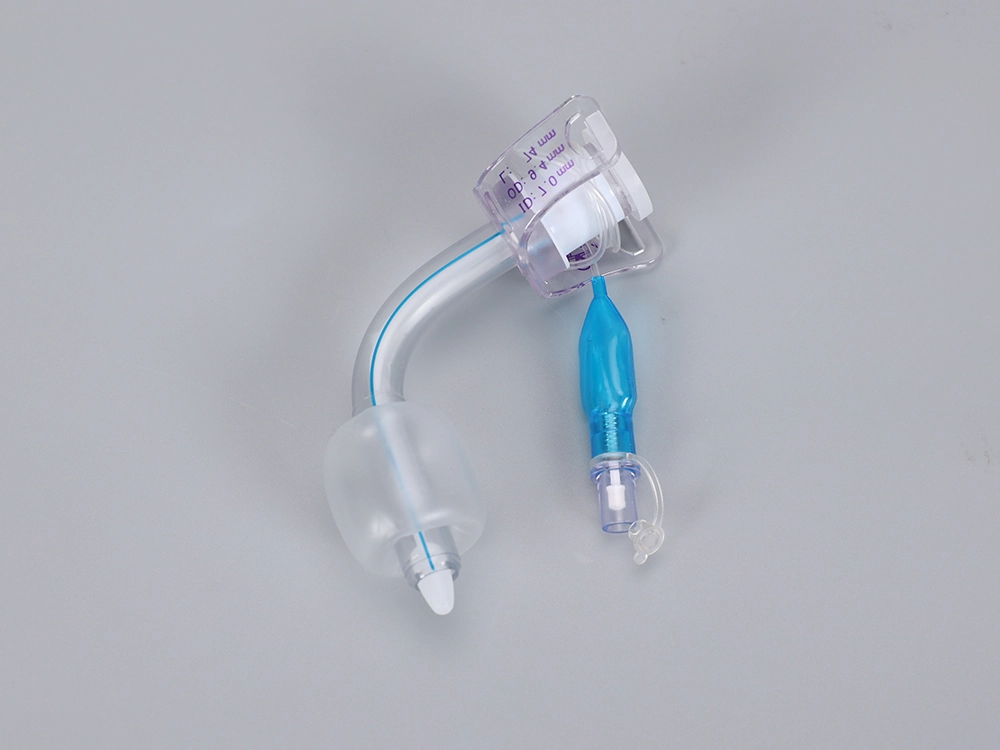
The Disposable Tracheostomy Tube is indicated for patients requiring long-term or post-surgical airway access through a surgical tracheostomy. Available in cuffed and uncuffed variants spanning sizes 2.5 through 10.0, the range serves pediatric critical care through adult ICU requirements from a single qualified supplier.
The thin-walled, low-pressure cuff design maintains an effective tracheal seal at the lowest clinically acceptable inflation pressure, protecting the tracheal mucosa from ischemic injury and tracheomalacia associated with prolonged cuff over-inflation. The tube body is manufactured from medical-grade PVC formulated for softness at body temperature, conforming naturally to the tracheal curvature and reducing pressure on the posterior tracheal wall during patient movement.
A tapered, smooth-tipped obturator is supplied with each tube to guide atraumatic insertion through the stoma. The tube resists kinking during patient repositioning — an essential property in ICU patients who require frequent position changes for pressure-area management. A standard 15 mm connector ensures compatibility with ventilator circuits and manual resuscitators. Depth markings on the tube shaft guide clinicians in confirming correct tip placement above the carina.
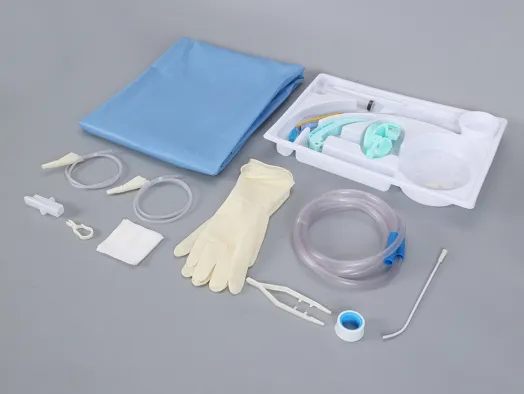
The Disposable General Anesthesia Dressing Pack is a pre-assembled, sterile procedural kit designed to consolidate the consumable supplies required for a standard general anesthesia setup. Bundling airway management adjuncts, draping materials, and protective supplies into a single opening reduces the time spent on OR setup, minimizes handling of individual items, and simplifies nursing workload during anesthesia preparation.
The contents are selected to satisfy the workflow of the induction, maintenance, and emergence phases, and the pack configuration can be adapted to institutional protocol variations. By procuring standardized packs, hospitals can achieve supply-chain efficiencies, reduce per-procedure inventory variability, and more accurately calculate per-case consumable cost — a key metric in activity-based hospital costing systems.
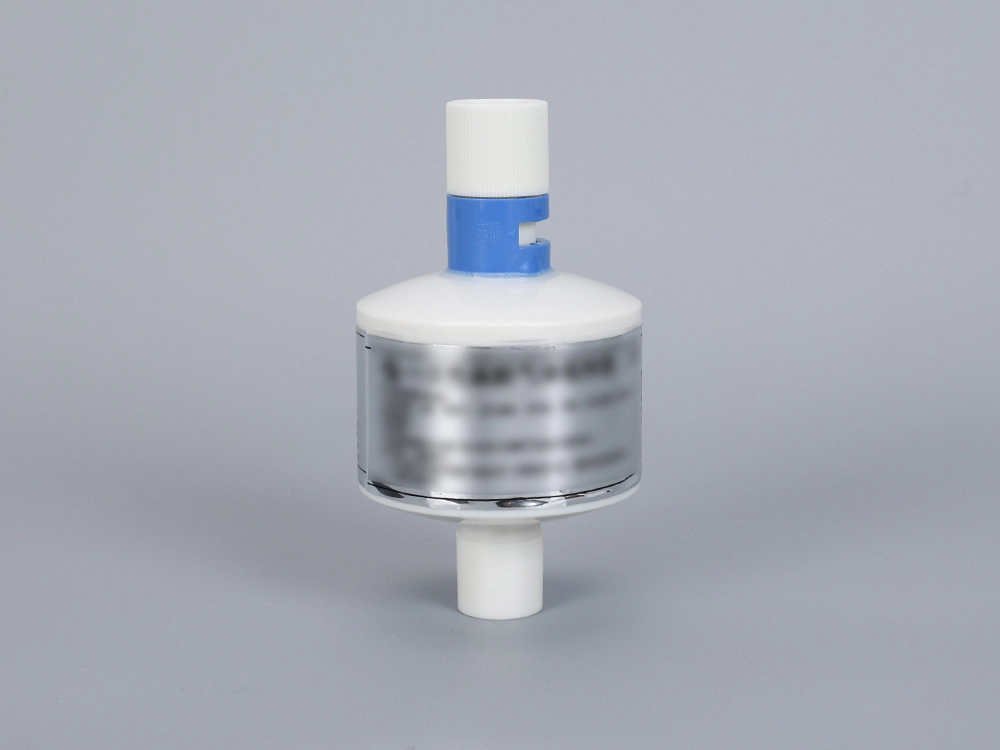
Occupational exposure to waste anesthetic gases (WAG) — including halogenated agents such as sevoflurane, desflurane, and isoflurane — is a recognized occupational health concern for OR personnel. Chronic low-level WAG exposure has been associated with reproductive, hepatotoxic, and neurotoxic effects in epidemiological studies. The Disposable Anesthetic Gas Adsorber provides an active scavenging solution at the point of emission, complementing or serving as an alternative to piped active gas scavenging systems (AGSS) in facilities where fixed infrastructure scavenging is unavailable or insufficient.
Two configurations are available. Type I (Extra-circuit) adsorbs WAG at the exhaust port outside the breathing circuit, continuously capturing agent-laden gas as it exits the circle system, thereby protecting OR staff and improving ambient air quality throughout the procedure. Type II (Intra-circuit) is inserted within the breathing circuit and activated after surgery concludes, accelerating the washout of residual volatile agent from the circuit and the patient's alveolar space, shortening emergence time and reducing PACU exposure for recovery room staff.
The active adsorption media achieves a validated anesthetic gas adsorption rate of 90%, removing the majority of volatile agent load at the point of source. The φ15 mm connectors comply with YY 1040.1-2003, enabling direct attachment to any standard anesthesia machine or breathing circuit without adapter hardware. Single-use design prevents media saturation carryover between cases and eliminates the need for media regeneration or disposal logistics associated with reusable canister systems.
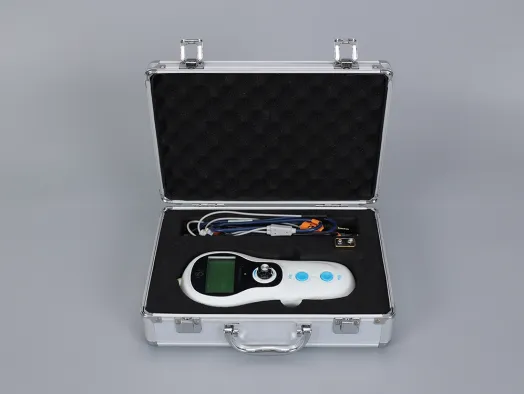
The Peripheral Nerve Stimulator (model SJ-CJY-I) is an electronic monitoring device used in conjunction with stimulating needles or surface probes to locate peripheral nerve plexuses before regional block procedures. It is supplied as a complete system comprising the main unit, a pen-mode connecting cable, a CAN-mode connecting cable, and stimulating probes.
By delivering precisely controlled electrical stimuli through the insulated needle tip and detecting the evoked motor response at the target nerve, the stimulator enables the clinician to confirm needle-to-nerve proximity before injecting local anesthetic. This nerve identification method substantially increases block success rates compared to landmark-based techniques alone, and reduces the risk of intraneural injection — the primary mechanism of nerve injury associated with peripheral blocks. While ultrasound-guided regional anesthesia has become the preferred modality in well-equipped centers, the peripheral nerve stimulator remains an essential adjunct, particularly in settings where real-time ultrasound is unavailable or as a secondary confirmation tool.
The device is listed within the General Anesthesia Category and also supports procedures falling within the Regional Anesthesia Category, reflecting its cross-specialty utility.
The Disposable Bite Block is a simple but clinically important airway adjunct used to prevent an obtunded or anesthetized patient from biting down on an endotracheal tube, oral airway device, flexible endoscope, or other oral equipment. Bite compression can cause complete lumen occlusion of an endotracheal tube, leading to acute ventilatory failure, or may damage flexible endoscopy equipment.
The device is shaped to fit between the upper and lower molars, maintaining jaw separation and protecting instrumentation without causing mucosal pressure injury. It is also used following procedures such as electroconvulsive therapy (ECT) where bite force during convulsions must be attenuated. Single-use construction ensures hygienic supply without the contamination and deterioration concerns associated with reusable bite blocks.
As an established Tracheal Tube Supplier, SuJia manufactures both standard and specialty configurations including reinforced armored tubes, nasal RAE tubes, and endobronchial designs under ongoing R&D investment. The company's position as a drafting unit of YY 0337.1-2002 reflects its early and sustained involvement in Chinese national standards for airway devices, and its export products comply with applicable ISO and EN standards.
All products are manufactured in Jiaxing, Zhejiang, under a quality management system aligned with ISO 13485 requirements for medical devices. Key quality controls include 100% in-process inspection of bonded critical components, EO sterilization with validated sterility assurance levels (SAL 10⁻⁶), and lot traceability from raw material to finished goods. The φ15 mm connector standard (YY/T 1040.1-2015 / YY 1040.1-2003) is consistently applied across airway products to ensure cross-device interoperability within the anesthesia workstation environment.
SuJia's complete product portfolio extends beyond general anesthesia. Clinicians seeking complementary devices may also explore the Regional Anesthesia Category, the Monitoring Category, the Infusion Category, the Pain Management Category, the Nursing Care Category, and the Medical Aesthetics Category.