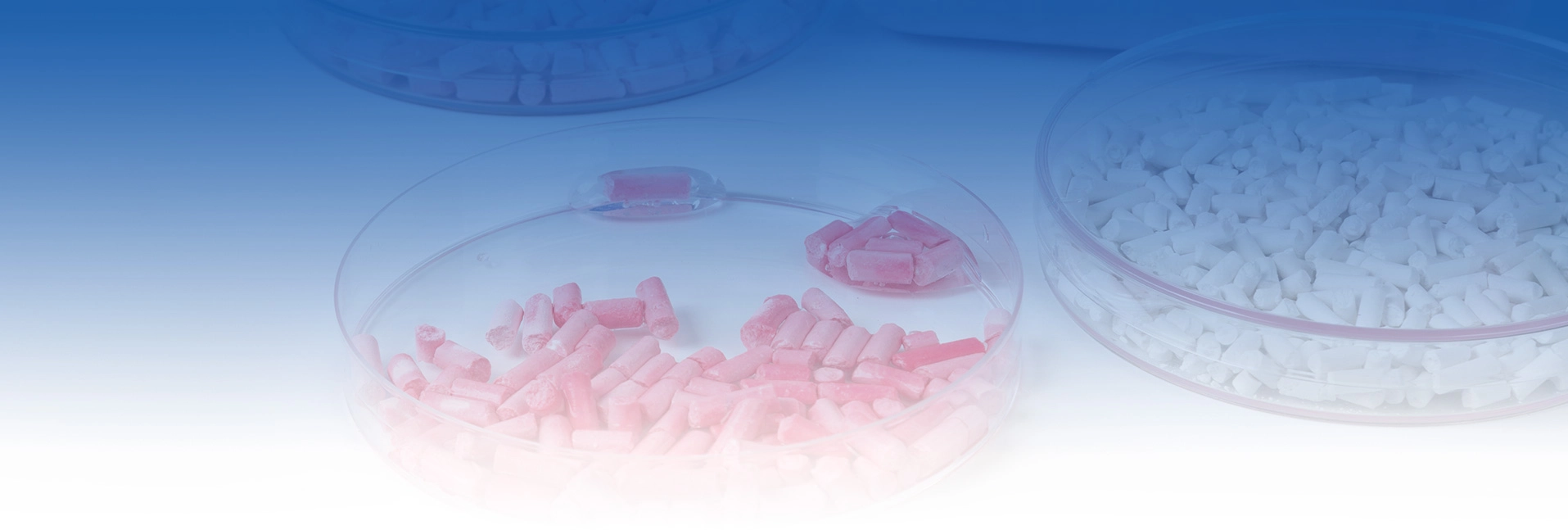
In modern operating rooms, the environmental footprint of anesthesia delivery is becoming a critical focus for hospitals aiming to meet sustainability targets. Volatile anesthetic gases such as sevoflurane, desflurane, and isoflurane are effective clinically, but they are also potent greenhouse gases with long atmospheric lifetimes. As healthcare systems adopt ESG frameworks, technologies like the Disposable Anesthetic Gas Adsorber are gaining attention as a practical and scalable solution for reducing anesthetic emissions at the source.
Volatile anesthetic agents are released into the atmosphere through scavenging systems during surgical procedures. Even with modern Anesthetic Gas Scavenging Systems (AGSS), a significant portion of waste anesthetic gases is still vented externally.
These gases contribute to:
In many hospitals, anesthesia-related emissions represent a measurable share of total OR greenhouse gas output, making mitigation strategies increasingly important for compliance and sustainability reporting.
The core function of a Disposable Anesthetic Gas Adsorber is to capture volatile anesthetic molecules before they enter the atmosphere.
Key mechanism:
By integrating the adsorber into the anesthesia waste gas pathway, hospitals can significantly reduce uncontrolled emissions from AGSS outlets. This makes it a practical retrofit solution without requiring full system redesign.
More technical product details can be found in the Disposable Anesthetic Gas Adsorber product page.
Traditional AGSS systems primarily function by venting waste gases outside the building. While this prevents occupational exposure, it does not eliminate environmental release.
Limitations of conventional systems:
In contrast, adsorption-based systems offer:
Some advanced anesthesia system configurations described in anesthesia gas management solutions also integrate adsorption modules to improve overall gas handling efficiency.
Healthcare sustainability strategies increasingly include anesthesia gas reduction as a measurable KPI.
Disposable gas adsorbers contribute to:
Because they are single-use and pre-filled, disposable adsorbers also reduce maintenance complexity while maintaining predictable adsorption performance across surgical cycles.
The anesthesia equipment industry is shifting toward closed-loop and semi-closed-loop gas systems. Emerging trends include:
In the long term, fully closed-loop anesthesia delivery systems may allow partial recovery and reuse of volatile anesthetic agents, reducing both cost and environmental impact.
While adsorption technology offers clear environmental advantages, practical deployment requires attention to workflow and lifecycle management.
Key considerations include:
Hospitals adopting these systems typically incorporate them into standard anesthesia setup procedures to minimize operational disruption.
The Disposable Anesthetic Gas Adsorber represents a practical and scalable step toward reducing the environmental impact of surgical anesthesia. By combining activated carbon adsorption technology with existing gas scavenging infrastructure, hospitals can significantly lower volatile anesthetic emissions while advancing sustainability goals.
As healthcare continues to prioritize carbon reduction and ESG compliance, adsorption-based waste gas control is expected to become a standard component of modern anesthesia systems.